A typical 1,000 gallon residential septic tank needs pumping every 3 to 5 years, and the exact interval depends on tank size and how many people live in the house. Skip a cycle in Ventura's clay-heavy soils and you risk backups, slow drains and a much bigger repair bill than the pump-out itself would have cost.
Three to five years is the standard window for a typical residential tank, and that range comes straight from how septic systems age: solids settle, scum builds on top, and the working liquid layer between them shrinks over time. A household of two on a large tank might stretch toward five years. A family of six on a smaller tank could need septic tank pumping cost work closer to the three year mark, sometimes sooner. If you are renting a property short-term or running a job site in Ventura instead, the math is different. A construction crew relying on a holding tank rental or a battery of portable toilet rental units needs weekly service, not a multi-year cycle, because those tanks are far smaller and fill fast under daily use. Homeowners further out toward Santa Paula, about 13.6 miles northeast of Ventura, or Moorpark, 24.2 miles east, deal with the same 3 to 5 year guidance since it is about tank volume and household load, not zip code.
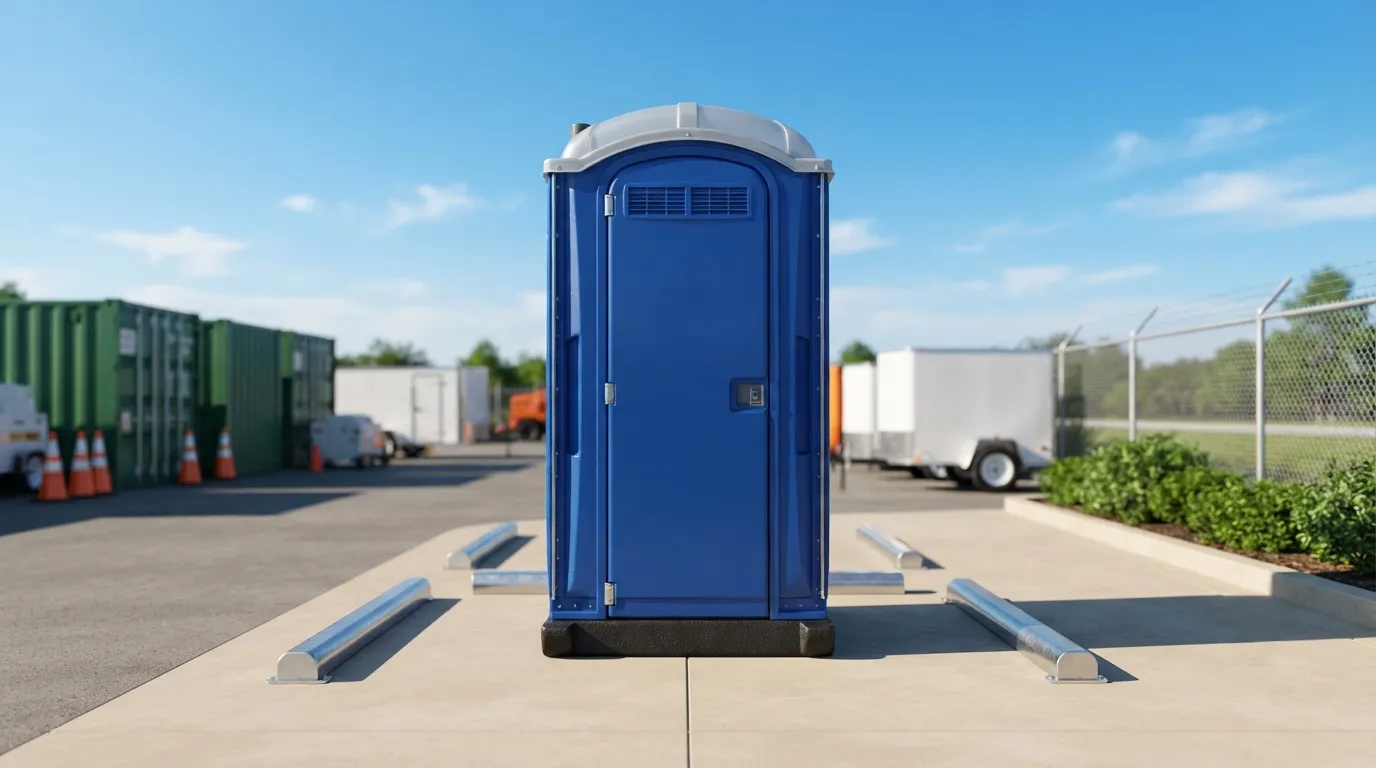
Garbage disposals, low-flow fixtures, laundry habits and the number of people using the system all shift the clock. A house running a garbage disposal every night sends more solids into the tank and shortens the interval. Commercial kitchens are a different animal entirely: a grease trap pumping schedule is driven by fats, oils and grease reaching 25 percent of the liquid depth in the interceptor, not by a calendar. That is a volume trigger, and it can happen faster than anyone expects if a kitchen is busy. For septic systems tied to actual sanitation compliance, whether at a home renovation site or a farm operation, the field-level requirement under OSHA 1928.110 calls for potable water, toilets and handwashing access at one facility per 20 hand-labor employees, within a quarter mile walk. That standard applies to farm and agricultural restrooms setups, not home septic tanks, but it explains why some Ventura-area properties layer portable sanitation on top of a fixed septic system during busy seasons instead of overloading the tank.
Because a bigger tank buys you more time between service calls, plain and simple. Two households with identical daily water use but different tank sizes will land on different pumping schedules. If you are unsure what you are working with, a septic tank warning signs check, slow drains, gurgling pipes, standing water near the leach field, will usually tell you sooner than guesswork. Waiting for a full backup is the expensive way to learn your tank was overdue. Compare that to portable sanitation economics for a project: a standard portable unit rents for a single day in the range shown below, while septic pumping itself is billed as a service call rather than a rental period.
| service | duration | typical cost range |
|---|---|---|
| septic pumping | day | $150 to $300 |
| septic pumping | weekend | $50 to $150 |
| standard porta potty | day | $100 to $350 |
| standard porta potty | month | $125 to $325 |
Yes, and treating it as routine maintenance rather than an emergency call saves money over the life of the system. Set a reminder around the 3 year mark if your household is larger or your tank is small, and stretch to 5 years if usage is light and the tank has room to spare. For anyone managing a property with mixed needs, a remodel that also needs a roll-off dumpster rental, a bathroom addition needing a temporary power pole run, or a backyard event needing an event restroom rental, it helps to plan septic service around the same calendar instead of reacting separately to each system. Ventura Porta Pros handles septic pumping alongside the portable sanitation side, so a single call can cover both a scheduled pump-out and short-term restroom needs for guests or crews on site. If your project also needs waste removal, pair the septic visit with a look at dumpster sizes and dimensions so both trucks can access the property in one trip.
Slow drains, gurgling in the pipes, sewage odor near the tank or standing water over the leach field are the clearest signs. Any of those means don't wait for the 3 to 5 year mark. Check the septic tank warning signs guide, and if it's already backing up, call for emergency septic service rather than riding it out.
Yes. Residential septic tanks run on a 3 to 5 year household cycle. Grease traps are pumped when fats, oils, grease and solids hit 25 percent of liquid depth, which can happen in weeks at a busy kitchen. See grease trap pumping for that schedule.
For short-term overflow, yes. A holding tank rental works well during renovations or events when you want to keep load off the main tank temporarily. It's a stopgap, not a substitute for regular pumping on the permanent system.
Significantly. More people means more water and solids going into the tank daily, which shortens the interval toward the 3 year end of the range. Smaller households on larger tanks often stretch closer to 5 years between visits.
Expect a service call in the range shown in the table above, generally 150 to 300 dollars for a standard day appointment. Exact pricing depends on tank size and access. See septic tank pumping cost for a fuller breakdown before you book.
Yes. Ventura Porta Pros delivers how often to pump a septic tank across Ventura and the surrounding metro, with same-day and next-day drop-off available on most orders.
Pricing depends on the unit and how long you need it. See our cost breakdown and request a free quote for an exact figure.
Standard rentals include scheduled service — a pump-out, a clean, a restock and fresh deodorizer. Busy or hot-weather sites can be serviced more often.
Call now or request a free quote — clean units, on-time delivery, transparent pricing.